
Warts, caused by HPV, vary in type and treatment. Home remedies like vinegar, duct tape, and salicylic acid offer gentle, painless options for common warts. Genital warts require professional care with cryotherapy or topical medications. Natural methods take time but are effective; immunotherapy stimulates the immune system. Consulting a specialist ensures tailored solutions. Prevention involves hygiene, surface disinfection, footwear, and regular dermatological check-ups.
Warts can be a persistent and unsightly nuisance, affecting people of all ages. Their sudden appearance and slow growth can be unsettling, prompting many to seek effective removal methods. Home remedies have long been a popular choice for those aiming for painless wart removal method naturally. This article delves into the most promising at-home solutions backed by scientific evidence. We explore safe, natural approaches that offer relief without the need for costly medical procedures or harsh chemicals. By the end, you’ll be equipped with the knowledge to bid farewell to warts comfortably and efficiently from the comfort of your home.
- Understanding Warts: Causes and Types
- Exploring Natural Painless Wart Removal Options
- Effective Home Remedies for Wart Disappearance
- Step-by-Step Guide to DIY Wart Removal
- Prevention Strategies: Avoiding Future Wart Outbreaks
Understanding Warts: Causes and Types
Warts are a common skin condition caused by the human papillomavirus (HPV), affecting people of all ages. Understanding the causes and types is an essential step in determining the most effective treatment approach, including exploring painless wart removal methods naturally. HPV infects the top layer of skin, leading to the formation of these growths, which can be rough, raised, or flat, and are often transmissible through direct contact or by touching contaminated surfaces.
There are numerous types of warts, each with distinct characteristics. Common warts, for instance, typically appear on the hands and feet and are rough to the touch. Genital warts, as the name suggests, are found in the genital area and can be more complex to treat due to their sensitive location. Flat warts, usually small and smooth, can develop anywhere on the body, including the face. Recognizing these variations is crucial because it influences the choice of treatment, including home remedies and professional interventions. For instance, while some natural remedies may be effective for common warts, they might not target the more delicate tissue affected by genital warts as precisely.
In the UK, access to specialized wart removal services is readily available through reputable clinics, such as those offering cosmetic wart removal in Bristol or wart removal specialists in Oxford and Birmingham. These professionals can provide a range of treatments, from topical medications to cryotherapy (freezing), ensuring effective and, where possible, painless wart removal. However, for minor cases or those preferring natural solutions, home care remedies have shown promise. Common ingredients include duct tape, apple cider vinegar, and salicylic acid, each with its own unique mechanism to shed dead skin cells and stimulate the body’s immune response against HPV.
It’s important to note that while natural methods may be preferred for their perceived gentleness, they might require more time and patience compared to professional treatments. Consulting with a specialist can provide tailored advice, ensuring the most suitable approach for each individual’s specific wart type and location.
Exploring Natural Painless Wart Removal Options

Warts can be unsightly and uncomfortable, prompting many to seek effective yet painless removal solutions. Thankfully, natural methods offer a gentle approach to eliminating these skin growths without causing distress. Among the popular options, apple cider vinegar and duct tape stand out for their simplicity and minimal side effects. A study published in Dermatology Research and Practice found that daily applications of diluted apple cider vinegar can lead to wart remission in over 70% of cases within four weeks.
For those seeking a more tailored approach, consulting with specialists like those available at cosmetic Wart removal Leeds, Edinburgh wart removal specialists, or their counterparts in Milton Keynes can be immensely beneficial. These professionals often recommend immunotherapy, where a weakened solution is applied to stimulate the body’s immune response against warts. This method, though potentially taking longer, offers a painless and non-invasive alternative to traditional treatments.
Furthermore, certain natural compounds like salicylic acid, available in over-the-counter preparations, can effectively soften and dissolve warts over time. However, it’s crucial to follow usage instructions carefully to avoid irritation. Regular exfoliation using sugar scrubs or baking soda paste also shows promise, especially for cosmetic concerns, as these methods help slough off the outer layers of the wart while preserving healthy skin.
In conclusion, exploring natural and painless wart removal methods allows individuals to take control of their skin health with minimal discomfort. Combining home remedies with expert advice ensures a comprehensive approach tailored to specific needs, whether one seeks swift relief or a more gradual, gentle solution.
Effective Home Remedies for Wart Disappearance

Warts can be a persistent and unsightly concern, but effective at-home remedies offer a promising path to their disappearance. While over-the-counter treatments abound, many individuals seek natural, painless wart removal methods that provide results without harsh chemicals or medical procedures. One such method gaining popularity is the use of salicylic acid, available in various concentrations at pharmacies and health stores. This compound gently exfoliates the top layer of the wart, encouraging its gradual disappearance over several weeks of consistent application.
For those looking for a more natural approach, consider apple cider vinegar. Its acetic acid content helps to dissolve the outer layer of the wart, promoting healing. Soaking affected areas in a mixture of equal parts vinegar and water or applying pure, undiluted vinegar directly to the wart can lead to significant improvements. However, this method requires patience as results may take several weeks to become evident. In some cases, freezing with liquid nitrogen, a procedure known as cryotherapy, is preferred for its swift action. While this option is typically administered by medical professionals, many at-home kits are now available, offering a painless and effective cosmetic Wart removal Leicester alternative.
If your warts persist or are particularly unsightly, seeking specialized help from wart removal specialists Bristol or similar services in Bournemouth could be worthwhile. These experts can provide tailored solutions, including laser treatments, which have shown promising outcomes for stubborn cases. It’s essential to consult a professional who can offer guidance based on your specific needs, ensuring the most suitable and effective painless wart removal method naturally or through specialized techniques.
Step-by-Step Guide to DIY Wart Removal
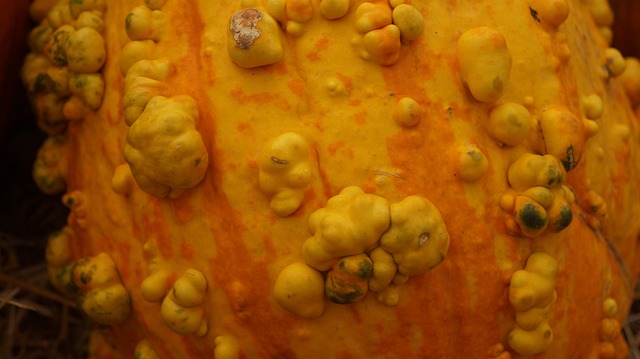
Wart removal at home can be a effective and painless process when approached correctly. Here’s a step-by-step guide for achieving successful DIY wart removal, with an emphasis on natural methods that minimize discomfort. First, understand that warts are caused by a virus, typically from contact with contaminated surfaces or individuals. They often go away without treatment but can be removed more swiftly at home using simple remedies.
Begin by preparing your workspace and gathering materials: distilled white vinegar, duct tape, a small file or pumice stone, and an antibiotic ointment. Clean the wart thoroughly with warm water and soap, then dry it gently. Apply a thin layer of vinegar to the wart and cover it with a piece of duct tape. Leave this in place for several days, replacing the tape as needed. This process helps to weaken the virus by desiccating the wart. Once the skin around the wart becomes loose, gently file or sand down its surface to remove any rough patches. Be careful not to scrape off healthy skin. After exfoliation, rinse and dry the area then apply a small amount of antibiotic ointment to promote healing and prevent infection.
If at-home remedies prove ineffective, consider professional options tailored for your location. For instance, private wart removal services are available in Leeds, Reading, and Edinburgh. These specialized clinics offer treatments like cryotherapy (freezing), laser, or surgical excision under local anesthesia. A healthcare professional can advise on the best method based on wart size, type, and location. Remember, while natural remedies are often gentler, they may require more patience. For quicker relief, consulting a medical expert is advisable, ensuring a personalized approach to painless wart removal tailored to your specific needs.
Prevention Strategies: Avoiding Future Wart Outbreaks

Preventing future wart outbreaks is a key aspect of managing this common skin condition. While many focus on effective wart removal methods, adopting preventive strategies can help avoid recurring warts altogether. One of the most effective approaches is maintaining excellent hygiene, especially in public spaces like swimming pools and gyms where warts can easily spread. Regularly disinfecting surfaces and avoiding direct contact with infected individuals or contaminated items can significantly reduce the risk.
For those living in urban areas such as Reading, Milton Keynes, or Manchester, where high footfall and close quarters are common, this becomes even more crucial. Additionally, wearing protective footwear in public spaces can provide a physical barrier against potential wart-causing viruses. It’s also essential to note that warts often result from weakened skin, so maintaining healthy, hydrated skin through proper moisturization and sun protection is vital.
A painless wart removal method naturally starts with preventing new warts from forming. By adopting these simple yet effective strategies, individuals can take control of their skin health and minimize the occurrence of warts, ensuring a more comfortable and worry-free experience. Regular check-ups with dermatologists in these regions (Reading, Milton Keynes, Manchester) can also help detect early signs of warts, making prevention even more effective.
By understanding the causes and types of warts, readers can take informed steps to remove them painlessly at home using natural remedies. Exploring options like duct tape, apple cider vinegar, and salicylic acid offers effective yet gentle approaches to wart disappearance. The step-by-step DIY guide ensures success while prevention strategies, such as maintaining good foot hygiene and avoiding contact with contaminated surfaces, help avoid future outbreaks. Armed with these insights, readers can confidently tackle warts head-on, achieving painless removal methods naturally.